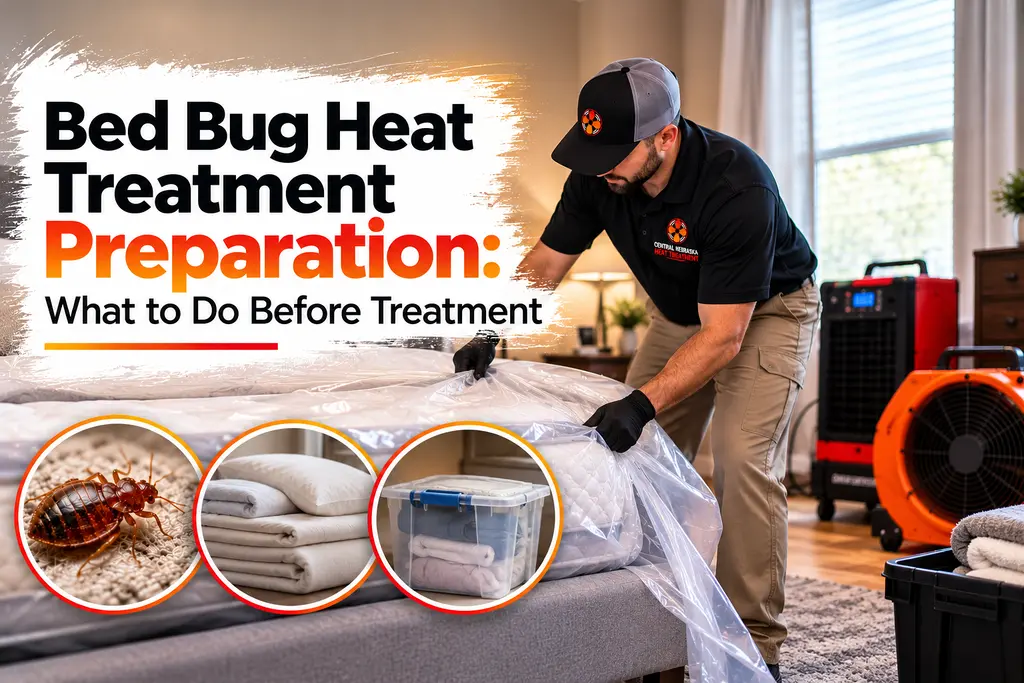
Home preparation prior to a professional bed bug heat treatment can make it easier for the technician to get to where bed bugs are hiding and make it less likely for your heat-sensitive items to be damaged. While not all furniture will need to be removed, some household items will need additional care before the heating equipment comes.
A clear Bed Bug Heat Treatment Checklist also helps prevent last-minute delays. Follow your technician’s instructions first because preparation requirements may vary depending on your home, the level of infestation, and the equipment being used.
Your Bed Bug Heat Treatment Preparation Checklist
Follow this checklist to ensure you have all the major tasks in order prior to treatment day:
- Remove heat-sensitive items, including medications, candles, and aerosol cans.
- Sort clothing, bedding, and washable fabrics according to the technician’s instructions.
- Reduce clutter around beds, furniture, closets, and baseboards.
- Clear pathways so technicians can reach the treatment area.
- Identify valuable belongings and electronics that may need special handling.
- Arrange for children, pets, and occupants to stay away during treatment.
- Confirm when you can safely return to the property.
Ask your provider for a written preparation list several days before the appointment. Follow this checklist to ensure you have all the major tasks in order prior to treatment day:
Remove Heat-Sensitive Items Before Treatment
Professional bed bug heat treatment raises temperatures throughout the treated space to kill bed bugs and their eggs. But some items can melt, leak, warp, or break at a high temperature. Enter each room and inspect drawers, shelves, cabinets, closets, and storage containers. Be sure to check for these:
- Medications and cosmetics: Some medicines, creams, lip balms, and personal care products may lose their stability or change consistency.
- Candles and wax products: Remove scented candles, wax melts, crayons, and other items that can melt.
- Aerosols and pressurized containers: Remove spray cans, certain cleaning products, and other pressurized items as directed by the technician.
- Flammable materials: Follow professional instructions for fuels, combustible products, and other fire hazards.
- Valuable artwork: Oil paintings, delicate framed artwork, photographs, and other items with heat-sensitive materials may require special protection or removal.
- Plants and delicate decorations: Ask whether living plants, musical instruments, antiques, or fragile ornaments should be taken out.
Note that things stored in a cabinet may not be safe just because they’re in the cabinet. Talk to your tech about anything that might get damaged.
Prepare Clothing, Bedding, and Laundry
Bed bugs or eggs can be present in clothing, bedding, or linens, especially if the infestation is found in bedrooms, closets, or upholstered furniture. Care should be taken not to spread the bugs to non-contaminated areas when handling these items.
The University of Nebraska–Lincoln recommends drying fabric items on high heat at 120°F for at least 20–30 minutes as a non-chemical control measure. This guidance applies to dryer-treated items, not the full home heat-treatment process.
Before treatment:
- Separate washable clothing and bedding from delicate fabrics.
- Place potentially infested laundry in sealed bags before carrying it through the home.
- Wash and dry items according to fabric-care instructions and your technician’s directions.
- Store cleaned belongings in clean, sealed bags or containers if instructed.
- Keep treated items separate from untreated belongings until the technician advises otherwise.
Inquire if mattresses, box springs, pillows, and blankets should be left. Some professionals prefer to treat these items inside the home rather than have residents move them unnecessarily.
Reduce Clutter Without Spreading Bed Bugs
Bed Bugs tend to be found in tight areas, such as gaps at baseboards, carpet edges, furniture corners, and bed frames. Too much clutter can provide more hiding spots and could limit hot air circulation.
Remove unnecessary items from floors and open the spaces around furniture. Organize loose papers, cardboard boxes, and stored belongings so technicians can inspect and access the affected areas.
However, do not move potentially infested belongings into another bedroom or a clean area without guidance. Moving items carelessly can spread the infestation. Avoid discarding mattresses or furniture before consulting your provider; these items may be treatable.
The aim is to improve access and airflow, not to clear every item out of the home.
Take Precautions With Electronics and Valuables
Electronic devices need additional care as high temperature can affect batteries, screens, adhesives, and parts. Before treatment, discuss any items such as computers, televisions, games, speakers, etc. with your technician.
Create a list of valuable or sensitive items, including:
- Laptops, tablets, and other electronic equipment
- Important documents and loose papers
- Family photographs and sentimental keepsakes
- Oil paintings, musical instruments, and antiques
- Items containing lithium batteries or other heat-sensitive components
Inquire about the items that need to be taken away and those that may stay based on certain requirements. Switching off an electronic device during high-heat treatment does NOT make it safe.
If an item may contain bed bugs, ask how to handle it without transferring the infestation elsewhere. Do not use improvised heating methods or place electronic devices in a freezer unless the manufacturer and a qualified professional confirm that the method is safe.
Arrange Furniture for Better Heat Circulation
Heaters, fans, and temperature sensors are used by professional technicians to circulate heat and to monitor the temperature throughout the treated space. The arrangement of furniture can impact where hiding spots are and the flow of warm air.
Before the appointment, ask whether you should move furniture away from walls, open drawers, or reposition mattresses. Requirements depend on the treatment plan, so do not move heavy furniture or dismantle beds unless instructed.
Clear access to:
- Bed frames, mattresses, and box springs
- Sofas, upholstered chairs, and other seating
- Closets, dressers, and storage areas
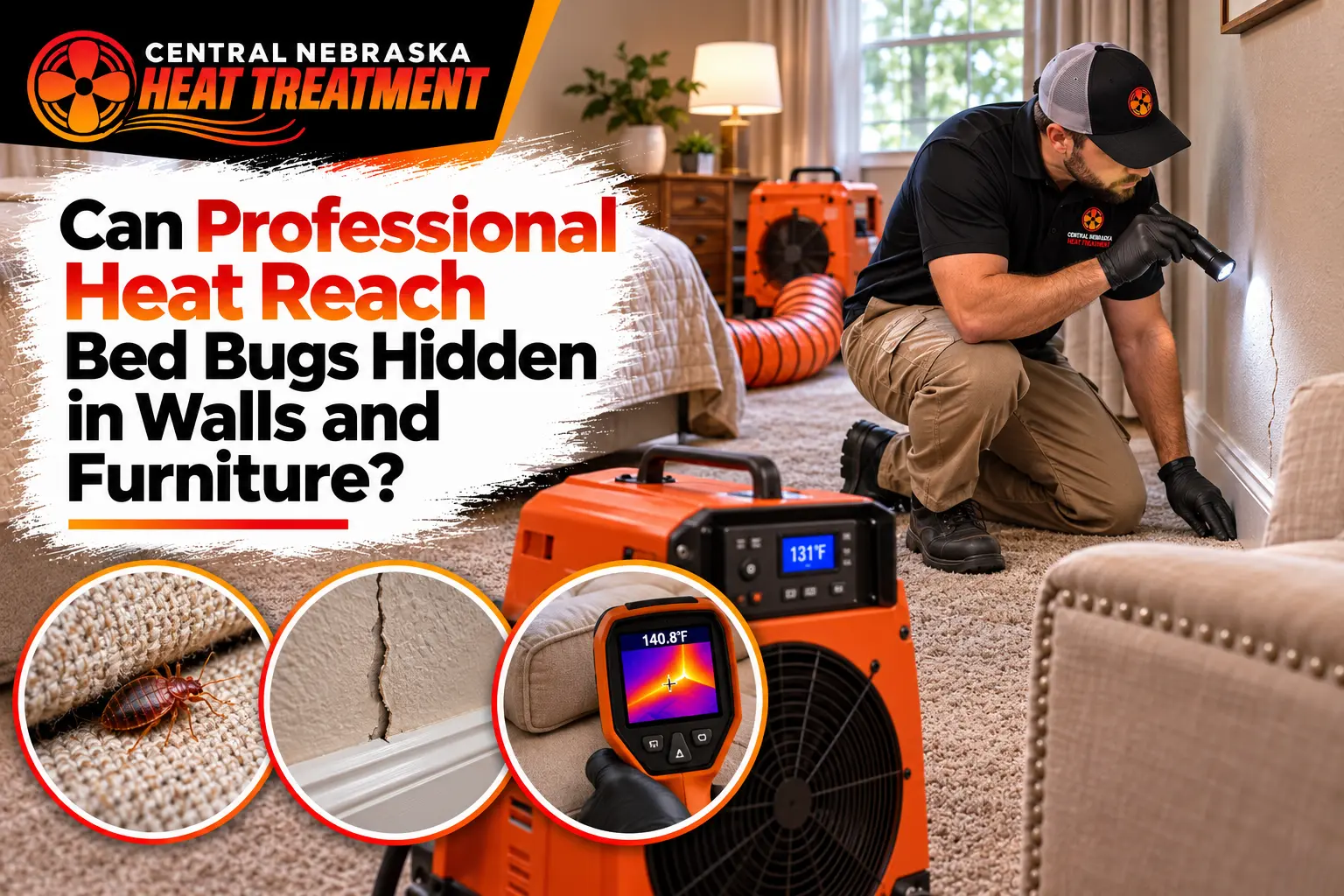
- Baseboards, accessible cracks, and suspected hiding places
Leave enough room for technicians to work safely. Avoid stacking clothing or cushions tightly together because dense piles can slow heat penetration.
What to Do on the Day of Treatment
Complete your preparation before the scheduled arrival time. Remove approved items, secure belongings that should not enter the treatment area, and confirm that the technician can access all rooms included in the service.
All members of the household, even children and pets, should be evacuated in accordance with the provider’s safety protocols. Avoid being in the building while professional heating equipment is being used, unless the technician says it is safe.
Before the work begins, tell the technician about rooms where you have noticed bed bugs, recent bites, discarded furniture, or possible movement between rooms. This information helps them assess the infestation and plan treatment access.
Avoid applying additional sprays or dust immediately before treatment unless your provider specifically recommends it. Products may have their own safety requirements, and unapproved applications can complicate the treatment plan.
How Long Does Preparation and Heat Treatment Take?
The amount of time taken will vary based on the size of the house, the number of possessions, and sorting that must be done. A relatively tidy house can take just a few hours to get ready, whereas a cluttered house will take a bit more time. These are approximate planning figures and not requirements.
The University of Nebraska–Lincoln states that a professional heat treatment for the whole structure will generally require 6-8 hours. In case the property is too large, access is challenging, and further inspection and/or preparation is required, the actual appointment may take longer.
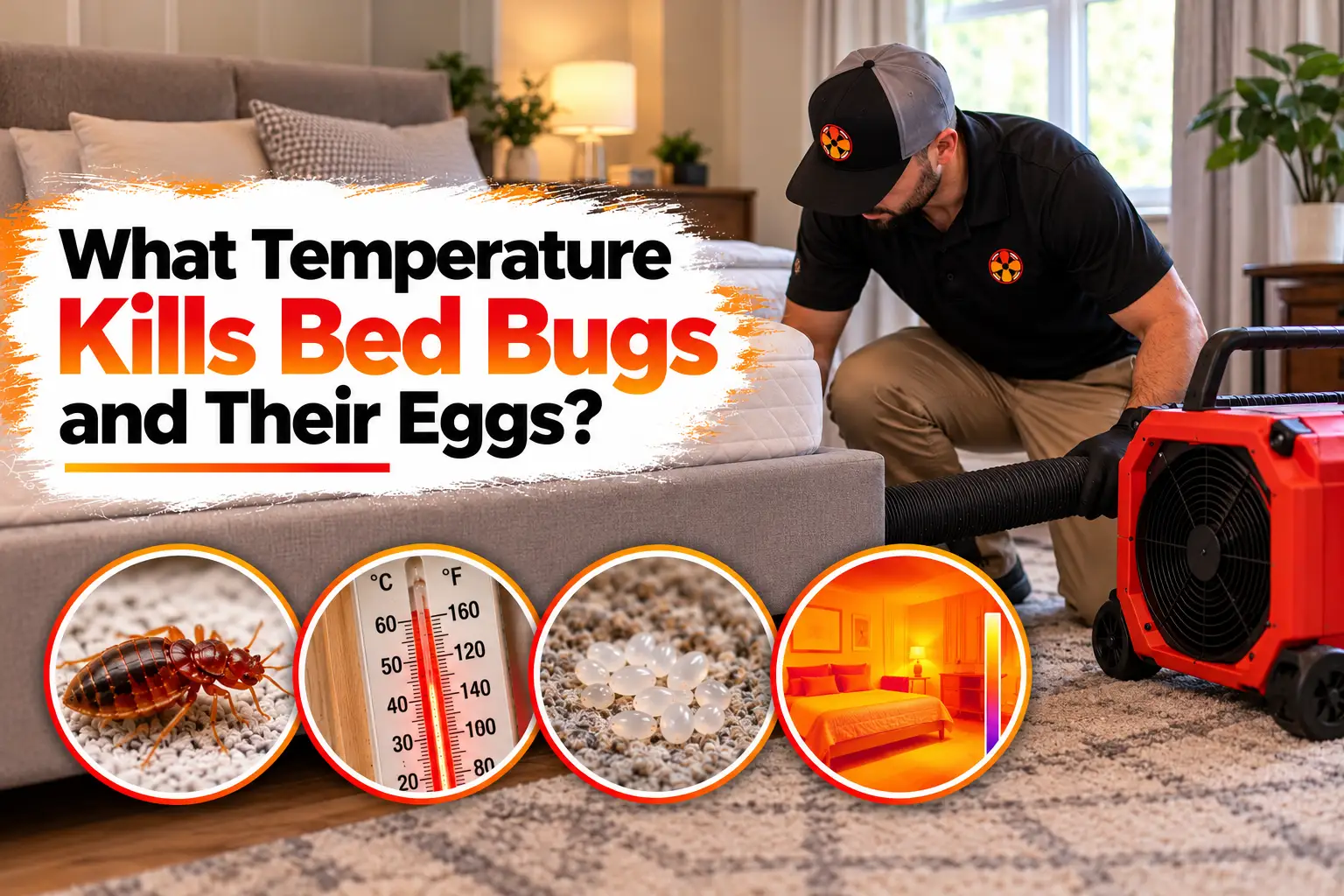
For more detail about how long heat treatment takes, ask your provider whether the quoted time includes setup, heating, monitoring, and final checks. You can also learn what temperature kills bed bugs and eggs to understand why technicians monitor temperatures instead of relying on the room’s air temperature alone. Sensors assist to ensure that the desired conditions are achieved in essential locations and areas.
What Happens After Heat Treatment?
Follow the technician’s instructions on when to return, when to unload, and if there is any additional inspection needed. Avoid entering the premises until the provider ensures it is safe. Put away cleaned items away from untreated items after treatment. As recommended, inspect beds and upholstered furniture and report any evidence of ongoing bed bug activity.
Heat treatment does not provide lasting protection against new bed bugs brought into the home. Continue checking luggage, secondhand furniture, and other items that could introduce another infestation. CENTRAL NEBRASKA HEAT TREATMENT can explain its preparation requirements and help you understand what to expect before scheduling service.
Frequently Asked Questions
Should I wash all my clothes before heat treatment?
Not necessarily. Consult your provider, as some clothing and bedding may be treated at home. The use of items that need to be washed separately should be done with care and stored separately after washing.
Should I open windows before treatment?
Do not open or close windows based on guesswork. Ask the technician how windows, doors, and ventilation should be handled. The correct setup depends on the heating equipment and treatment plan.
Do I need to move furniture outside?
Usually, not every piece of furniture needs to be removed. Many items can remain inside for treatment, but technicians may ask you to reposition certain pieces to improve access and heat circulation.
Can I stay home during bed bug heat treatment?
Plan to leave the property with children and pets according to your provider’s instructions. Return only after the technician confirms that it is safe.
What if I forget to remove a heat-sensitive item?
Tell the technician before treatment starts. They can assess the item and explain whether it needs to be removed or handled differently. Do not assume it will be safe during heating.
Final Thoughts: Prepare for a More Effective Treatment
Thorough preparation helps technicians access bed bug hiding places, manage heat-sensitive belongings, and monitor the treatment safely. Follow your provider’s checklist, ask questions about uncertain items, and avoid moving potentially infested belongings without guidance. CENTRAL NEBRASKA HEAT TREATMENT can provide information about its services and preparation instructions so you know what to do before treatment day.